Eleven years ago, our founder, Dr. Joshua Kibera, discovered Martha* (not her real name) while running a clinic in a rural Kenyan hospital. Martha was a 45-year-old farmer with an ulcerated lump the size of a tennis ball in her left breast. At the time of her visit, her lump had grown to stage 4 breast cancer.
Just a year earlier, Martha had sought medical care for what was then a small lump. She did everything right: she sought care early, followed medical advice, and accessed a hospital equipped for diagnosis. She got a biopsy, a procedure she mistakenly believed was for tumour removal. Her sample was then sent 300 kilometres away to Nairobi for testing.
The testing laboratory released the results a month later but did not tell her. No one from the hospital contacted her about next steps. A year passed. The lump grew, ulcerated through her skin, and refused to heal. When she finally returned to the hospital, her cancer had become metastatic.
Martha had been failed by a fragmented, uncoordinated diagnostic infrastructure not through lack of expertise or equipment. Her tragic story consequently shaped the purpose of The Pathology Network (TPN): to ensure that no patient is ever lost in the system due to inefficiencies and miscommunication.
Fragmented Coordination, Communication and Standardisation Remain a Crisis
This World Cancer Day, the global theme “United by Unique” calls for care that reflects individual needs and circumstances. Yet for millions of Africans, the cancer care gap begins long before treatment
Africa has fewer than one pathologist per one million people, compared to one per 25,000 in the UK and US. Without pathology, cancer cannot be confirmed, staged, or treated appropriately. This shortage alone places millions at risk.
However, the problem extends beyond workforce numbers. Even where pathology services exist, patients encounter delays caused by poor communication, long distances and lack of coordination between clinicians, laboratories, and pathologists. Treatable conditions too often become advanced or terminal due to systemic failure.
Closing the cancer care gap must therefore start with diagnosis.
Pan-African Diagnostic Connectivity
This is where the concept of “diagnostic connectors” becomes transformative. For too long, African clinicians and diagnostic practitioners have struggled with coordination, communication and standardisation issues because the players in the ecosystem operate in silos. Furthermore, some African countries lack a single pathologist because expertise remains trapped by geography. Yet, medical expertise can be distributed equitably across the continent.
African pathologists and laboratories need shared continental resources. In the digital age, a pathologist in South Africa should be able to diagnose a patient in Uganda just as easily as one in their own city.
The solution to power such coordination exists. Digital platforms, like Spes360, and remote pathology can multiply the impact of scarce specialists. AI can enhance human expertise. Quality governance can ensure consistency and trust.
But technology alone cannot solve the diagnostic crisis. Quality assurance and professional governance remain fundamental. External Quality Assurance (EQA) programme can ensure standardised diagnostic quality across laboratories, while tumour boards can enable specialists surgeons, pathologists, oncologists, and radiologists to collaborate in real-time on complex cancer cases, improving treatment decisions and patient outcomes.
What We’re Building at The Pathology Network
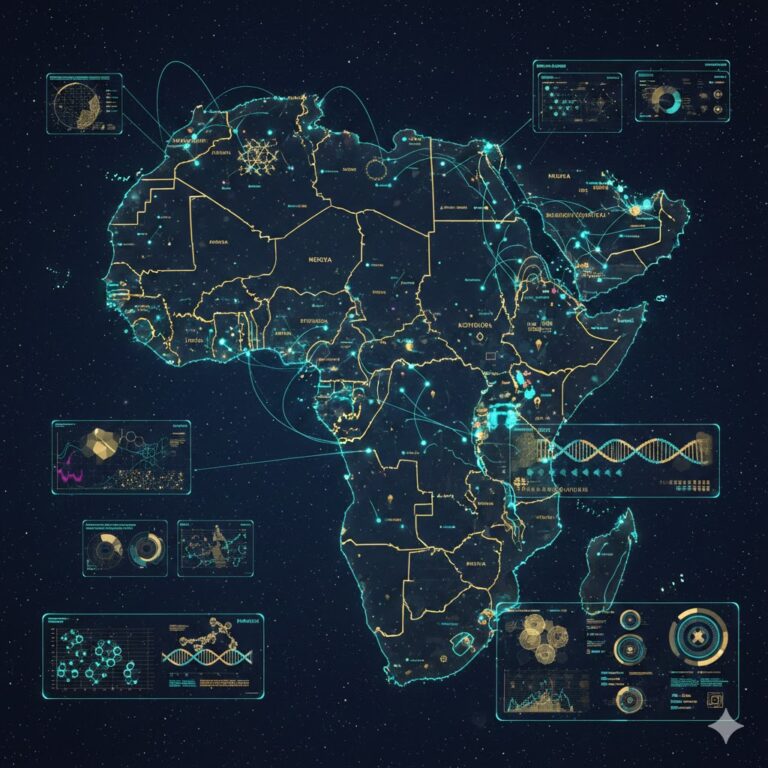
At The Pathology Network, we are building Africa’s first digital diagnostic grid — a coordinated infrastructure that connects patients, clinicians, laboratories, and pathologists.
Through Spes360, patients gain clarity and navigation from symptom to diagnosis. Clinicians can order and track tests seamlessly and access expert pathology support across borders. Pathologists are equipped with digital tools for remote reporting and collaboration, while laboratories operate within standardised workflows supported by quality oversight.
Since deployment in Kenya, our platform has supported over 47,000 patients across 60 hospitals, coordinating care between more than 300 clinicians and 14 pathologists, including specialists serving remotely from other countries.
A Shared Responsibility
Every delayed diagnosis, lost result, or missed follow-up represents another Martha, someone whose life might have been saved through timely, coordinated care.
This World Cancer Day, let us commit to connecting care, connecting expertise, and connecting patients to the life-saving diagnoses they deserve.
The Pathology Network is building Africa’s Digital Diagnostic Grid, connecting patients, clinicians, laboratories, and pathologists across underserved regions. To learn more about our work or to join the network, visit www.tpn.africa or contact us via info@tpn.africa or +254713033844