
Strengthening Cervical Cancer Prevention Through UK–Africa Digital Health Collaboration
Working with Liberate Pro and Innovate UK, the initiative explores how digital education can improve understanding of HPV and support earlier detection.
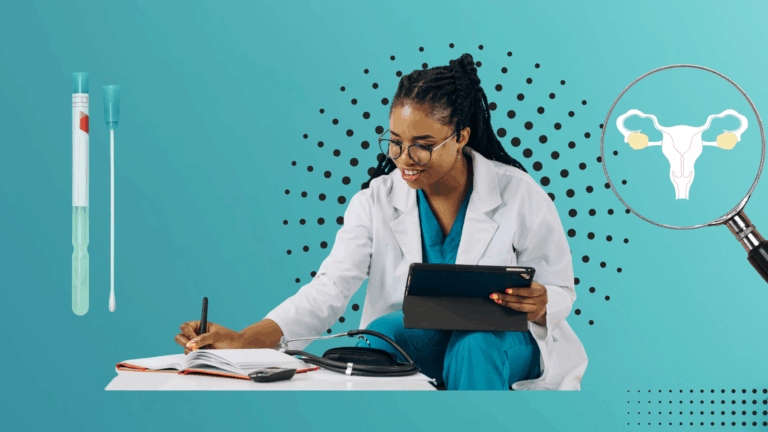
Cervical cancer remains a major public health challenge across sub-Saharan Africa. Despite being highly preventable, too many women only seek care after symptoms appear.
Awareness gaps, cultural myths and limited access to reliable information continue to delay early detection, making education one of the most important interventions in women’s health.
To help address this challenge, a UK–Africa partnership has brought a new model of patient education into real-world clinical settings. Funded through Innovate UK’s Global Innovation Network, the initiative is led by UK-based Liberate Pro Healthcare, with technical support from Alpha MD in Mumbai. The Pathology Network (TPN), through its Ayana HPV initiative, supported implementation across Kenyan hospitals and clinics.
Together, the collaboration explored whether clear, accessible audiovisual education could strengthen understanding of HPV, reduce fear and misinformation, and help women feel more prepared to engage in screening.
A Partnership Rooted in International Innovation
The project deployed Liberate Pro’s digital health-education platform across a range of Kenyan facilities, coinciding with Cervical Cancer Awareness Month. The educational content was aligned with Kenya’s National Cancer Screening Guidelines and presented in multiple languages and formats, allowing women to learn at their own pace.
TPN’s Ayana initiative facilitated implementation, ensuring integration into diverse healthcare environments, from rural clinics to busier urban centres. This created an opportunity to test how digital education tools perform under real-world conditions and how they could support clinicians in delivering clear, culturally grounded explanations.
Insights from Real-World Use
Across the deployment period, clinicians consistently reported that audiovisual tools helped:
-
reduce consultation time
-
clarify explanations for women unfamiliar with HPV
-
overcome language and literacy barriers
-
improve confidence when discussing sensitive topics
Women responded positively to the format, noting that the visual walkthrough and local-language audio made complex information more understandable.
These insights reinforced global evidence that digital education can be an effective tool for improving health literacy, especially in settings where stigma and misinformation are common.
The project also highlighted practical considerations for future scaling, such as offline functionality, mobile-first delivery and better integration with everyday platforms like WhatsApp. Liberate Pro’s feedback mechanisms captured these operational insights, helping shape the next stage of development.
Find the project results on our Kenya site
Designed for Kenya, Applicable Across Africa
A significant strength of the collaboration was its co-design process. Liberate Pro worked closely with Kenyan clinicians and aligned the material with national policy, ensuring the approach was grounded in local realities. This participatory design has created a credible framework for scale in other countries facing similar challenges.
Building on the success of this early implementation, the partners are exploring opportunities to expand the programme, introduce additional education modules and deepen measurement capabilities through real-time analytics dashboards.
Where TPN Fits: Infrastructure for Awareness, Screening and Follow-Up
TPN’s involvement reflects the broader mission of strengthening Africa’s diagnostic infrastructure. Awareness is only the first step. For screening to be effective, education must connect directly to:
-
test ordering
-
laboratory coordination
-
result reporting
-
clinician follow-up
-
patient navigation
TPN’s Spes360 diagnostic software platform is designed to support these functions. Integrating patient education tools like Liberate Pro into this ecosystem could create a seamless journey — from learning about HPV to booking a test to receiving results in a tracked, coordinated pathway.
Such alignment between education and diagnostics offers a powerful model for improving early detection of cervical cancer across the continent.
A Model for Global Health Collaboration
This initiative demonstrates how international partnerships can create meaningful, contextually grounded solutions:
-
UK-backed health-tech innovation
-
India-based product engineering
-
Kenyan clinical co-design
-
African diagnostic-infrastructure support
-
Funding and strategic guidance from a global innovation agency
It is a rare example of a collaboration that respects local context while leveraging global expertise, creating a scalable approach that could be adapted across Africa.
As cervical cancer continues to threaten the lives of women across the continent, partnerships like this one show what’s possible when education, digital tools and healthcare infrastructure come together to deliver clear information, early screening and coordinated pathways to care.
When women understand what HPV is, why screening matters and how to act, health systems can shift from late-stage treatment to true prevention.
And when global innovation aligns with African-led infrastructure, the impact can be transformative.