

AI and the Future of TPN
How We Are Using AI to Transform the Diagnostic Journey
Africa faces a severe shortage of pathologists, with 1 pathologist to 1 million people compared to 1 to 25,000 in developed countries. The sad result is delayed diagnoses and poor treatment outcomes. especially for cancer patients.
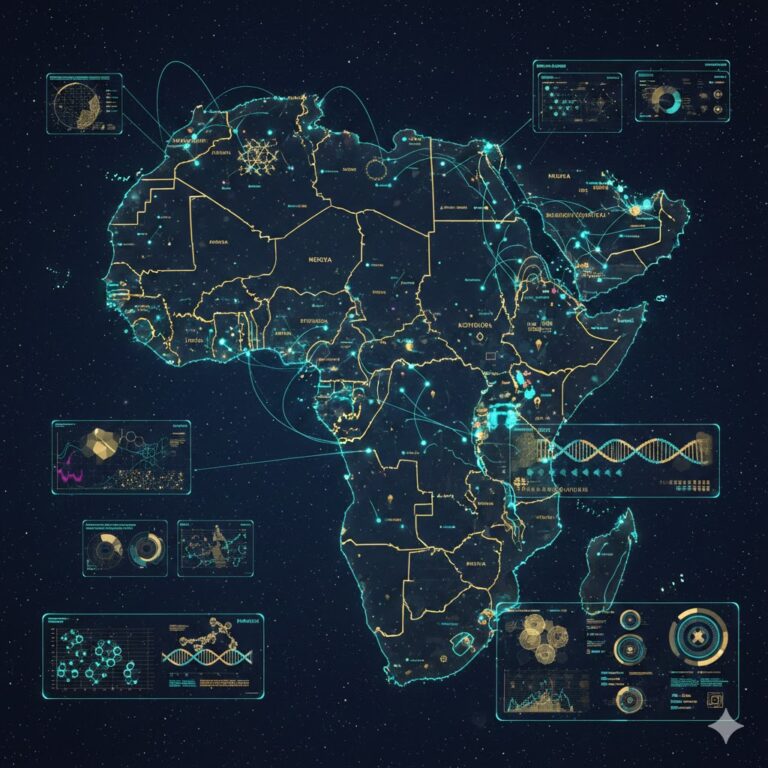
In 2025 and into the years ahead, TPN will continue exploring innovative ways of bridging this diagnostic gap using artificial intelligence (AI).
The diagnostic journey usually begins with the patient experiencing a symptom and ends with their doctor discussing the diagnosis and treatment options.
The pathologist’s role lies in the middle, causing a bottleneck when it is inefficient.
We envision that AI can be integrated into various points along the patient’s healthcare journey, making diagnosis better, faster and more affordable.
How can AI transform the diagnostic journey?
Patient navigation
African patients lose precious time searching for the right doctor or hospital. Using existing and new data, AI could become a helpful companion in the future.
Clinician decision-making
Keeping track of hundreds of lab tests and how to use the results can be daunting, especially for younger doctors. AI can be a key resource, enhancing safety and improving decision-making.
Workflow management
AI/ML is the perfect tool for coordinating laboratory sample workflow and communication between thousands of patients and their pathologists.
Sample analysis and interpretation
AI image analysis is a game-changer in pathology. Similar to its use in radiology, AI is now able to act as a capable diagnostic assistant to pathologists. We are seeking to provide our partner pathologists with AI tools to help in their diagnostic decision making – improving the speed and accuracy of their pathology reports.
As AI becomes increasingly embedded in diagnostic medicine, the organisations that succeed will be those that can combine high-quality clinical data, governed workflows, and the clarity needed for safe clinical decision-making.
TPN already operates within this framework. By building a coordinated diagnostic grid, TPN is positioning Africa not only to benefit from AI, but to contribute meaningfully to its global evolution.
AI will not replace pathologists, laboratories, or clinicians. Instead, it will enhance the precision and predictability of their work.
With Spes360 as the infrastructure backbone and TPN’s network of clinicians and pathologists shaping its direction, the continent is well placed to lead in the responsible, context-aware adoption of diagnostic AI.
The future will belong to health systems that can use AI to improve turnaround times, strengthen quality, and ensure earlier detection.
TPN’s mission remains clear: to build that future for Africa, one governed and connected workflow at a time.